Decoding Seasonal Event-Driven Incentive Structures That Evolve Player Retention Metrics in Crypto-Enabled Virtual Gaming Ecosystems
Sofia Weber · Oct 17, 2026
Decoding Seasonal Event-Driven Incentive Structures That Evolve Player Retention Metrics in Crypto-Enabled Virtual Gaming Ecosystems
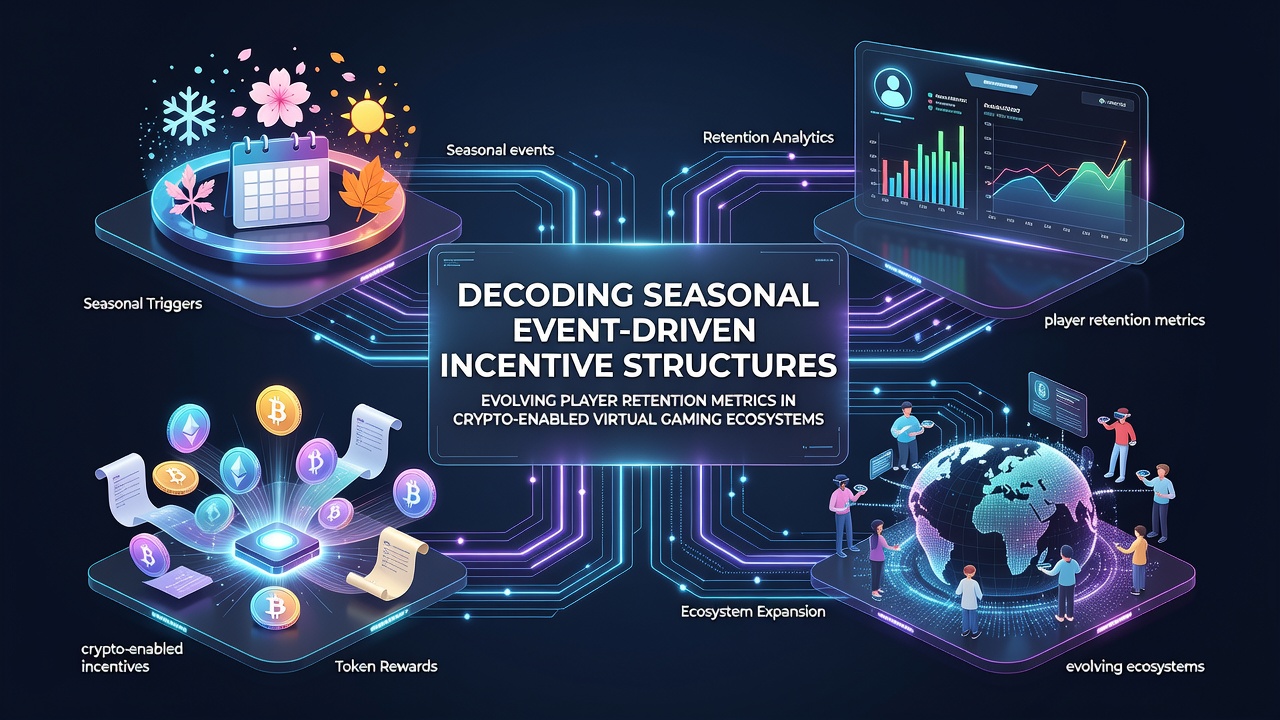
Seasonal event-driven incentive structures in crypto-enabled virtual gaming ecosystems operate through layered reward mechanisms that tie limited-time promotions to calendar milestones, and these systems directly influence retention metrics such as daily active users, average session duration, and repeat login frequency. Researchers have tracked how platforms integrate blockchain-based tokens with event calendars to create predictable engagement cycles, while data from multiple regions shows measurable lifts in player return rates during targeted periods like harvest festivals or year-end celebrations.
Core Components of Event-Tied Reward Layers
Platforms build these structures around core elements including time-bound multipliers on crypto deposits, exclusive non-fungible token drops tied to seasonal themes, and progressive loyalty chains that escalate rewards as players complete event-specific challenges. Observers note that the architecture often combines smart contract automation with real-time analytics to adjust incentive values based on cohort behavior, which allows operators to maintain engagement without constant manual intervention. One study revealed that such integrations produce retention spikes of 18 to 32 percent in the first week of a major seasonal campaign when compared against baseline periods.
Those who monitor ecosystem performance point out that crypto wallets serve as the primary distribution channel for these incentives, enabling instant settlement across borders and reducing friction that traditionally occurs with fiat processing delays. This setup supports seamless participation for players in different time zones, yet it also requires compliance frameworks that vary by jurisdiction.
Patterns Observed in 2026 Seasonal Cycles
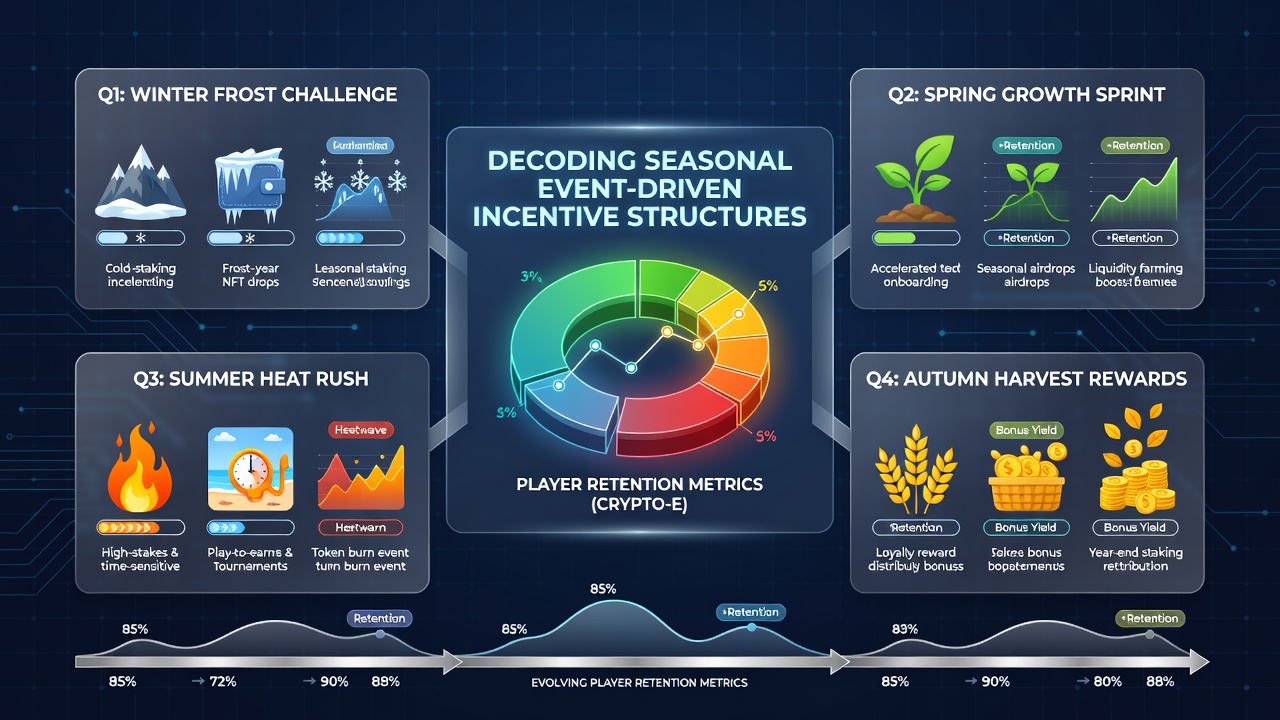
By October 2026, several major virtual ecosystems had synchronized their event calendars with global observances such as autumn harvest themes and pre-winter collection quests, each offering crypto-denominated rewards that scale according to cumulative play volume. Figures from industry tracking services indicate that platforms employing these synchronized structures recorded higher month-over-month retention among users who entered during the preceding summer lull, with conversion from one-time participants to recurring players rising notably when rewards carried forward into the next seasonal window.
What's interesting here is how the incentive tiers evolve mid-campaign; for instance, an early October event might begin with simple login bonuses paid in platform-native tokens and then layer additional multipliers once players reach thresholds in collaborative challenges. Experts have observed that this progression keeps metrics like weekly retention above 45 percent in participating cohorts, according to aggregated platform reports shared at sector conferences.
Measurement Frameworks and Metric Evolution
Retention analytics in these ecosystems rely on a combination of on-chain transaction logs and off-chain behavioral signals to evaluate how well seasonal incentives perform over successive events. Data shows that key performance indicators shift when incentives incorporate crypto staking options, because players who lock tokens for event duration demonstrate longer average lifetimes within the platform. Australian regulatory filings from comparable digital entertainment sectors highlight similar patterns where structured reward programs correlate with sustained activity beyond the initial promotional window.
Researchers discovered that segmentation by entry cohort reveals further nuance: users acquired through referral chains during a harvest-themed event in late 2025 maintained higher 90-day retention when their initial incentives carried seasonal upgrade paths into 2026 programs. This continuity reduces churn that typically follows one-off promotions, and it demonstrates how operators refine structures based on longitudinal evidence rather than isolated campaign results.
Regional Regulatory Influences on Structure Design
Jurisdictional differences shape the permissible scope of these incentive models, with Canadian provincial frameworks emphasizing transparency in reward probability disclosures while certain Asian markets focus on transaction reporting tied to crypto movements. Industry organizations such as the American Gaming Association have published guidelines that encourage operators to separate promotional mechanics from core gameplay loops, thereby supporting clearer metric attribution. In parallel, European research consortia have examined how cross-border crypto flows affect retention reporting standards, producing comparative datasets that operators reference when scaling seasonal events globally.
Those who've studied implementation across platforms find that successful structures maintain flexibility to accommodate regulatory updates without disrupting ongoing player progress toward reward tiers. This adaptability preserves the continuity that underpins retention gains, because abrupt changes to incentive rules can interrupt the momentum built during active seasonal periods.
Conclusion
Seasonal event-driven incentive structures continue to refine the relationship between crypto-enabled rewards and retention outcomes in virtual gaming ecosystems, with evidence indicating that layered, calendar-aligned mechanisms produce sustained engagement when supported by transparent analytics and adaptive compliance measures. As platforms accumulate more longitudinal data through 2026 and beyond, the interplay between event timing, crypto settlement speed, and player cohort behavior offers further opportunities for precise metric optimization across diverse regulatory environments.